
Quick Answer
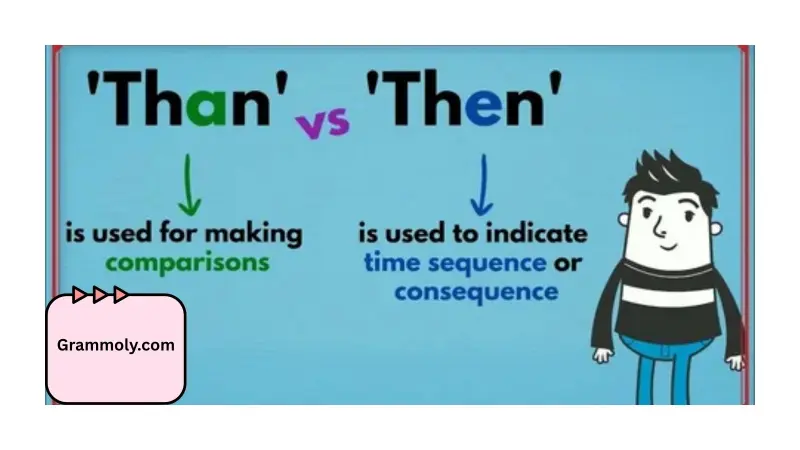
Then and than are different words with different meanings.
- Then relates to time, sequence, or what happens next.
- Than is used to make comparisons.
Examples:
- We ate dinner, then watched a movie.
- She is taller than her brother.
Using the wrong word can change the meaning of your sentence.
|SEE ALSO: Acetylene or propane
Meaning of Then vs Than
What Does “Then” Mean?
Then is an adverb that refers to time or the next step in a sequence.
Examples:
- Finish your homework, then go outside.
- Back then, life was very different.
What Does “Than” Mean?
Than is a conjunction or preposition used when comparing two things.
Examples:
- This book is better than the last one.
- I would rather walk than drive.
Although the words look similar, they perform completely different grammatical functions.
Why People Misspell Then vs Than
Many writers confuse then and than because they differ by only one letter and sound similar in fast speech.
Common reasons include:
- Typing quickly
- Autocorrect errors
- Pronunciation similarities
- Lack of grammar knowledge
Unlike spelling patterns involving double letters in words like address or success, this mistake involves choosing the correct word rather than changing its spelling.
Tip
- Then = Time
- Than = Comparison
Origin of the Words
Both words trace back to Old English and Germanic languages.
- Then:
- Evolved from words meaning “at that time” or “afterward.”
- Than:
- Developed as a comparative word used to introduce differences between people, objects, or ideas.
Over centuries, English preserved both words because they serve distinct grammatical purposes.
|See more: Mold or mould
Common Examples
| Correct Use | Example |
|---|---|
| Then | We finished lunch, then left. |
| Than | She runs faster than I do. |
| Then | First read the instructions, then begin. |
| Than | Coffee costs more than tea. |
Common Mistakes
❌ I am taller then my brother.
✅ I am taller than my brother.
We went shopping than came home.❌
We went shopping then came home.✅
❌ Finish dinner than wash the dishes.
✅ Finish dinner then wash the dishes.
Why Correct Usage Matters
Choosing then or than correctly:
- Improves writing clarity
- Builds professionalism
- Prevents reader confusion
- Strengthens academic work
- Enhances business communication
Small grammar choices make a big difference.
Everyday Examples
Please submit the report, then notify the manager.
Social Media
Today feels warmer than yesterday.
News
The committee met and then released its findings.
Formal Writing
The second proposal proved more effective than the first.
Frequently Asked Questions
- Do you say “OK then” or “OK than”?
The correct phrase is “OK then” because then refers to time or the next step. - Why do people say “albeit”?
People use albeit to mean “although” or “even though,” especially in formal writing. - Do you say “better then” or “better than”?
The correct phrase is “better than” because than is used to make comparisons. - Are “than” and “then” easily confused?
Yes. They are commonly confused because they look and sound similar, but then relates to time and than is used for comparisons.
Summary
Once you understand the rule, it’s easy to distinguish between then and than. When talking about time or sequence, use then; when drawing comparisons, use than. Keeping this distinction in mind will help you write more professionally, use better language, and make your content easier for readers to understand.